Why You're Always On Edge (Even When Nothing Is Wrong)
Aug 13, 2026Have you ever noticed that nothing is actually wrong... but your body doesn't seem to know that?
You're sitting on the couch with a cup of tea.
The dishes are done.
No one needs you right this second.
Your phone is silent.
And yet...
Your shoulders are tight.
Your breathing feels shallow.
You keep thinking you're forgetting something.
You can't seem to relax.
You wonder, "What's wrong with me?"
Friend, can I tell you something that changed everything for me?
"Sometimes the greatest source of stress isn't what's happening today.
It's what your nervous system has learned to expect. And if you've been feeling like you're constantly on edge—even during the quiet moments— I want you to know you're not imagining it.
❌ You're not weak.
❌ You're not dramatic.
❌ You're not failing at self-care.
Your body is simply trying to protect you. Let's talk about why.
Living Like the Fire Alarm Never Stops
Imagine living in a house where the smoke detector randomly goes off all day long. At first you'd jump every time.
Eventually you'd still hear it, even when it wasn't sounding. You'd begin expecting danger. That's what chronic stress can do.
After months—or years—of juggling responsibilities, caregiving, work, family, aging parents, health concerns, financial pressure, menopause, or simply carrying the emotional weight of everyone around you, your nervous system can become incredibly good at anticipating problems.
It's trying to help.
The problem is... It never gets the message that the emergency is over. So even peaceful moments don't feel peaceful. Your body is still standing guard.
What Is Nervous System Dysregulation?
If you've ever wondered why you feel anxious, tense, or constantly alert—even during calm moments—you may be experiencing nervous system dysregulation.
This doesn't mean something is "wrong" with you. It means your body's stress response has become stuck in protection mode after carrying prolonged emotional, physical, or mental stress.
Your nervous system's job is to keep you safe. But sometimes it simply forgets that the danger has passed.
Your Body Doesn't Read Your Calendar
One of the biggest myths about stress is that it disappears the moment life gets easier.
I wish that were true.
Many women tell me, "Things are actually okay right now... so why do I still feel anxious?"
Because your body doesn't look at your calendar and announce, "Oh good! The busy season is over."
It doesn't work like that. Your nervous system pays attention to patterns.
If it's spent months—or years—being called into action every hour of every day, it doesn't instantly switch into relaxation mode just because life became quieter.
Think of it like driving on the highway. You've been gripping the steering wheel for hours.
When you finally pull into your driveway, your hands don't immediately soften. They stay tense for a while. Your body needs time to realize you're finally home.
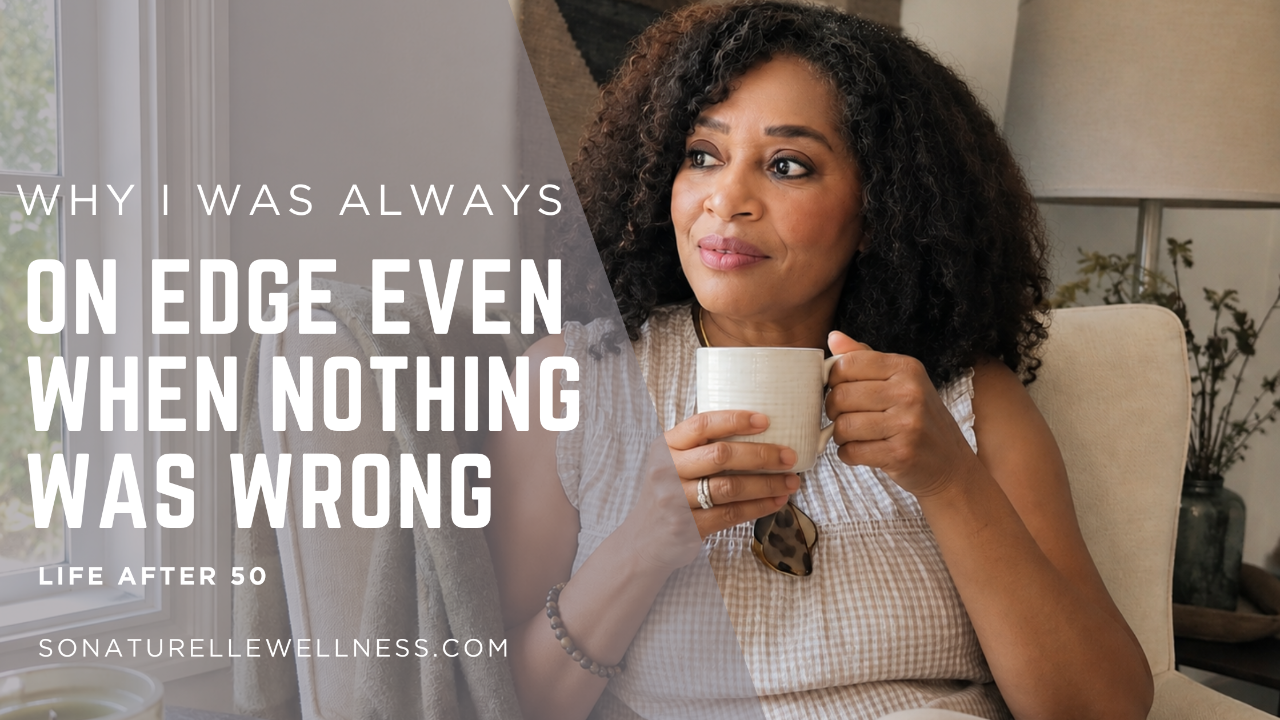
Prefer to watch instead? I dive deeper into why you may feel constantly on edge—and what your body is really trying to tell you—in this week's video from the Calm the Overwhelm series.
The Invisible Load You're Carrying
There's another reason so many women stay on edge. It's the invisible load. The things nobody sees:
✅ Keeping track of appointments.
✅ Remembering birthdays.
✅ Planning meals.
✅ Managing medications.
✅ Checking on aging parents.
✅ Supporting grown children.
✅ Running a household.
✅ Working.
✅ Trying to stay healthy.
Wondering if everyone else is okay before asking if you are.
So, you see now that It isn't just physical work. It's mental work, Emotional work and the Invisible work. And invisible work is exhausting because nobody applauds it.
Most women simply become incredibly skilled at carrying it. Until one day you realize..."I don't even know how to put it down anymore."
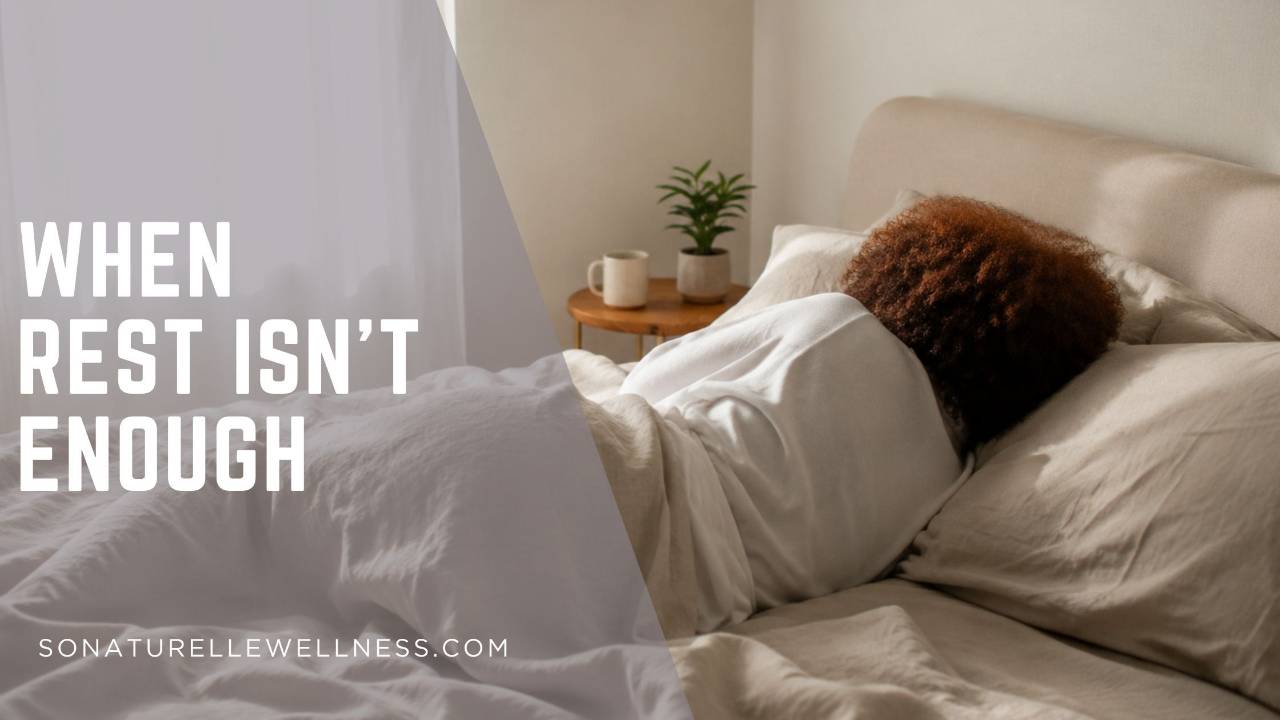
Why Rest Doesn't Always Help
This surprised me. Because for the longest time I thought I just needed more rest.
A nap.
A weekend away.
A slower schedule.
Sometimes those things helped.
Honestly, sometimes they didn't and you need a vacation to recover from vacation.
Have you noticed that too?
You finally get a quiet afternoon......and instead of feeling peaceful, you feel restless.
You can't sit still.
You start organizing a drawer.
Checking emails.
Scrolling your phone.
Thinking about tomorrow.
Your body has confused being busy with being safe. It seems like stillness feels unfamiliar. And it's not because you enjoy chaos.
It's because your nervous system doesn't yet trust the quiet.
My Experience with Living in Survival Mode
As you may know, I'm a caregiver.
There have been seasons when every hour of my day belonged to someone else's needs.
Medication schedules.
Doctor appointments.
Unexpected emergencies.
Interrupted sleep.
Even during the rare moments when I had time to myself, I noticed something surprising.
- I wasn't relaxing.
- I was preparing.
- Thinking ahead.
- Planning.
Waiting for the next interruption.
It wasn't until I began learning about the nervous system that everything started making sense.
I wasn't broken. My body had simply become very good at surviving. But surviving isn't the same as living.
And eventually I realized... I wanted more than survival.
I wanted to feel at home in my own life again.
Signs Your Nervous System May Be Stuck in Protection Mode
- You may recognize yourself here.
- You always feel like you're forgetting something.
- You struggle to enjoy free time.
- You jump at unexpected sounds.
- You wake up already tired.
- You feel guilty resting.
- You always need to stay productive.
- You feel tense for no obvious reason.
- You replay conversations.
- You overthink simple decisions.
- You can't explain why you feel unsettled.
None of these automatically mean something is medically wrong.
But together they can be clues that your body has been living in protection mode for a very long time.
What Your Body Is Really Asking For
Here's the beautiful part. Your body isn't asking you to become someone different. It's asking for evidence that you're safe.
Not once.
Not on vacation.
Not during a spa day.
Every day. In tiny moments.
Gentle moments.
Consistent moments.
"Safety isn't something we force. It's something we practice".
And often it begins with surprisingly small things.
Taking one slow breath before answering your phone.
Sitting outside for five quiet minutes.
Listening to music without multitasking.
Holding a warm mug of tea with both hands.
Walking slowly instead of rushing everywhere.
Lighting a candle before dinner.
These moments may seem insignificant.
But to a nervous system that's been running a marathon for years...
They're powerful. They're reminders."We're okay."
You Don't Need to Earn Calm
Can I gently remind you of something?
You don't have to finish everything before you deserve peace.
You don't have to cross every item off your list before you're allowed to exhale.
You don't have to become the perfect woman before your body is worthy of rest.
Calm isn't a reward.
It's a basic human need.
You may have been taught to earn your worth through productivity.
To stay useful.
Helpful.
Available.
Strong.
But what if strength also looked like slowing down? What if wisdom looked like saying, "That's enough for today."
My Favorite Daily Reset
When I notice myself feeling on edge, I don't immediately try to "fix" myself anymore.
Instead, I ask a different question. "What would help my body feel safe right now?"
Sometimes it's making a cup of herbal tea.
Sometimes it's sitting on my deck with no agenda.
Sometimes it's reading a few pages of a beautiful book.
Sometimes it's practicing my violin—not to perform perfectly, but simply to be present.
Sometimes it's taking a slow walk and noticing flowers growing along the sidewalk.
None of these solve every problem.
But they remind my nervous system that life is more than emergencies.
And over time, those reminders begin to add up.
You Don't Need a Stress-Free Life to Feel Safe
Life will always have challenges. There will always be seasons that stretch us.
Unexpected phone calls.
Health concerns.
Family responsibilities.
Loss. 😔
Change.
The goal isn't to eliminate every stressful moment. The goal is to help your body remember that stressful moments don't have to become your permanent home.
You can experience difficulty without living in constant alarm.
That is possible.
And it happens one gentle step at a time.
Final Thoughts: You Are Not Broken
If you've been feeling on edge lately, I hope you'll stop asking, "What's wrong with me?"
And begin asking, "What has my body been trying to protect me from?"
That single question changes everything. It replaces shame with compassion. 🌸
Pressure with curiosity.
Judgment with understanding.
Healing often begins there.
Not with another productivity hack.
Not with another perfect morning routine.
But with kindness toward the woman who's been carrying far more than anyone realizes.
Friend, if that's you... I see you. 💌
And I want you to know this:
You don't have to live the rest of your life waiting for the next emergency.
Your body can learn calm again. 🫶
One breath.
One peaceful moment.
One gentle reminder at a time.
And perhaps today, that's enough.
A Little Next Step
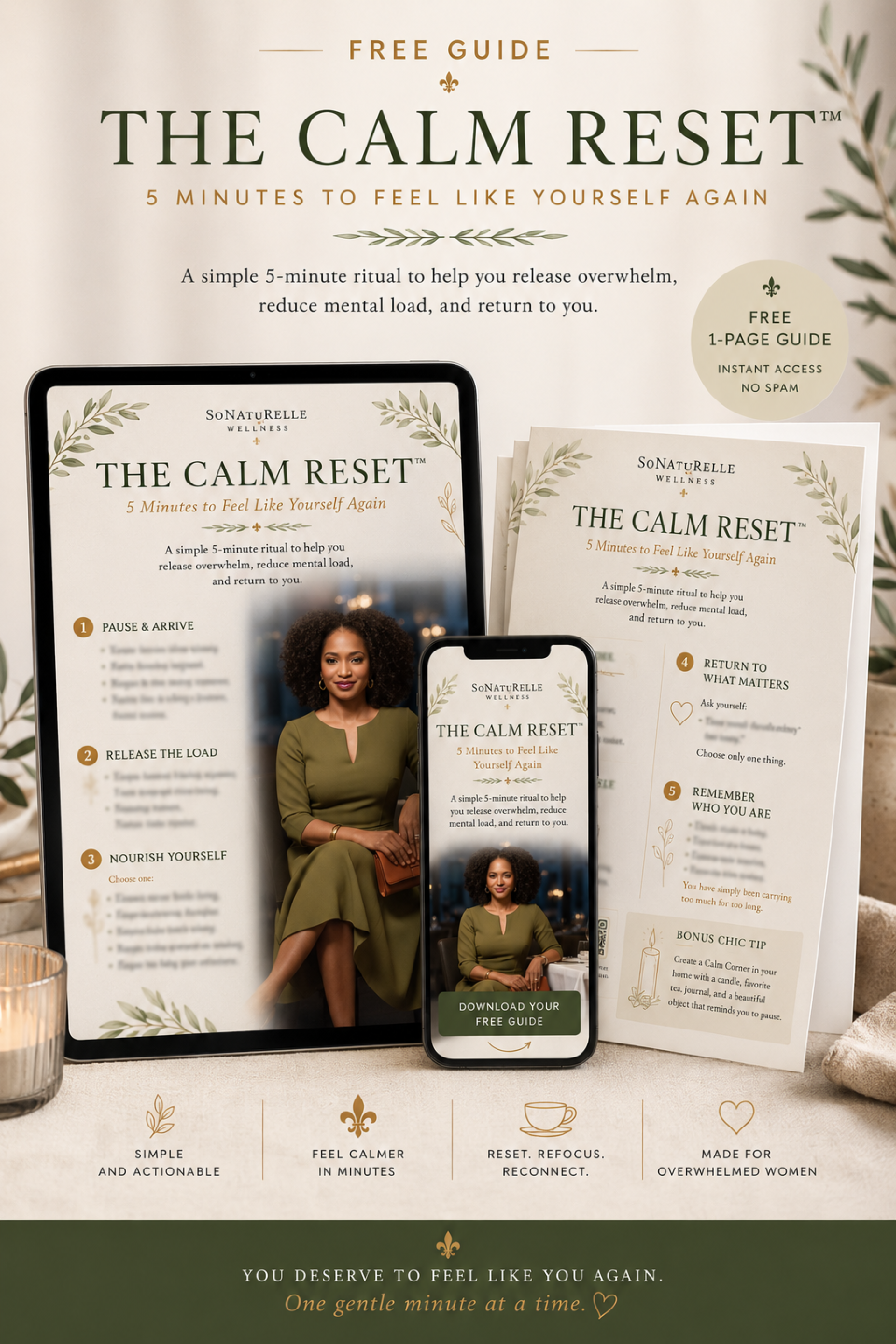
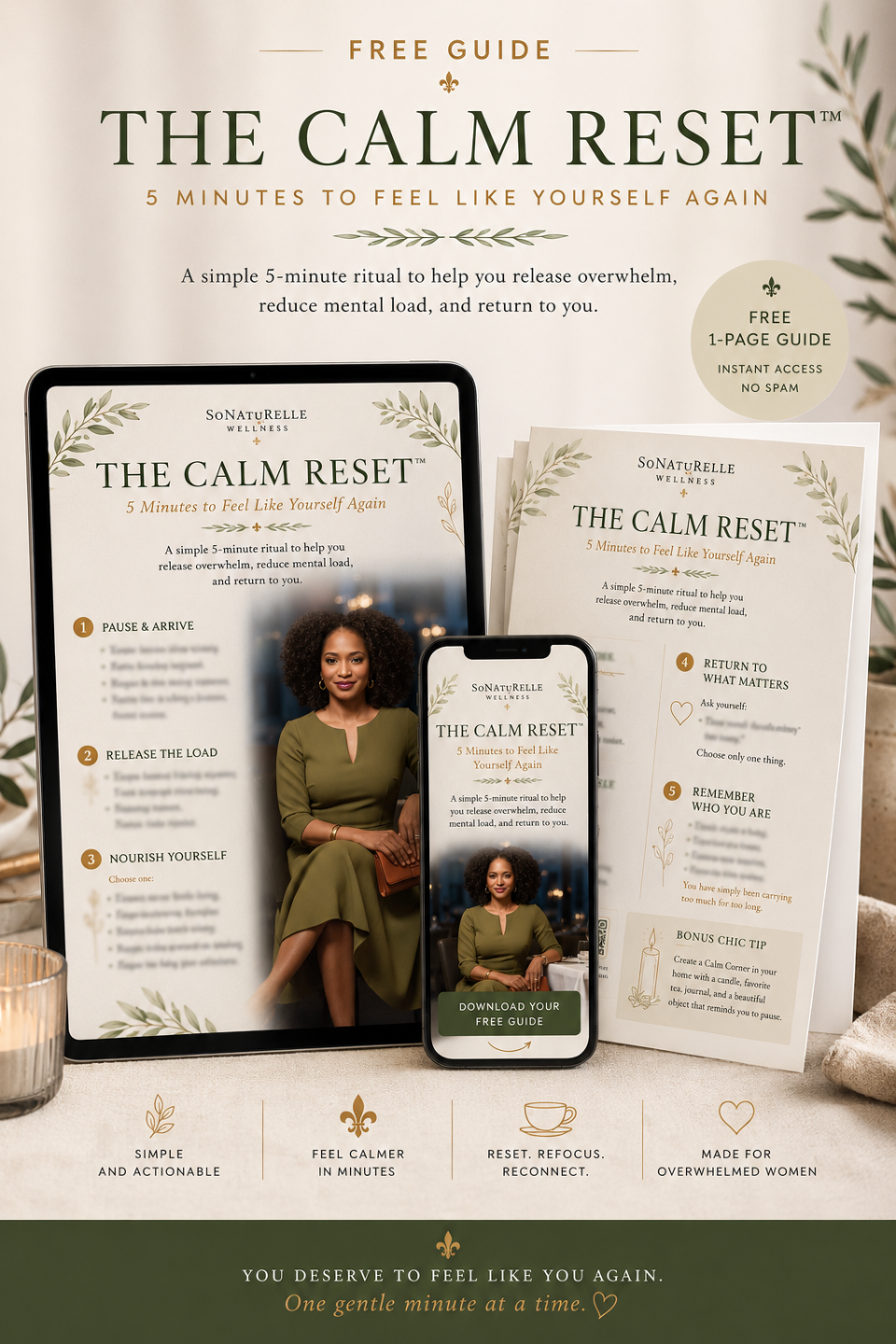
If this resonated with you, you'll probably enjoy reading my guide, Feel Like Yourself Again: How to Get Your Life Back Without Overhauling Everything.
It's filled with gentle reflections and practical shifts to help you calm your nervous system, reconnect with yourself, and create a life that feels like home again.
Because feeling like yourself again doesn't begin with doing more.
It begins with finally believing that you're safe enough to simply be.
Frequently Asked Questions
Why do I feel on edge even when nothing bad is happening?
Your nervous system may still be responding to prolonged stress, caregiving, burnout, or emotional overload.
Even when life becomes calmer, your body often needs time and repeated experiences of safety before it relaxes.
Can chronic stress change your nervous system?
Yes. Long-term stress can keep your nervous system in a heightened state of alertness, making it difficult to fully relax.
The good news is that the nervous system is adaptable and can gradually regain a greater sense of balance through consistent, calming practices.
How do I calm an overactive nervous system naturally?
Simple daily practices can help, such as slowing your breathing, spending time outdoors, drinking tea without distractions, gentle movement, journaling, listening to calming music, and creating small moments of beauty and quiet throughout your day.
Why do women in midlife often feel constantly overwhelmed?
Many women carry an invisible mental and emotional load while also navigating hormonal changes, caregiving, careers, relationships, and family responsibilities. Together, these demands can contribute to chronic stress and feelings of being constantly on edge.
Prefer to watch instead? I dive deeper into why you may feel constantly on edge—and what your body is really trying to tell you—in this week's video from the Calm the Overwhelm series.