
Why Self-Care Feels Impossible Right Now (And It’s Not a Personal Failure)
Feb 23, 2026If you’ve ever dreamed of being a flâneuse littéraire—a woman who wanders with intention, slipping into a quiet café simply to get lost in a book about Paris—this post is for you.
Not because you have hours to spare.
But because part of you aches for that feeling: unhurried, nourished, quietly yourself again.
For many women over 50—especially those balancing caregiving, work, and emotional labor—the problem isn’t that you don’t value self-care.
It’s that you’re exhausted before the idea even lands.
And no one is really talking about that.
Lack of Time or Energy for Proper Self-Care
“Lack of time or energy for proper self-care” sounds simple. Almost logistical. Right?
But underneath it is something deeper:
-
Nervous system overload
-
Constant responsibility for others
-
Decision fatigue
-
Emotional vigilance (“Is everyone okay?”)
-
A life lived in response mode
By midlife, stress doesn’t just feel busy — it feels biological. I explain this more deeply in Why Stress Feels Different in Midlife, where we unpack what’s really happening beneath the surface.
So when self-care advice says:
“Wake up earlier.”
“Add another routine.”
“Try this 30-minute ritual.”
Your body quietly says, I can’t.
And that response is the wise one.
The Myth That Keeps You Stuck: Self-Care Requires More Time
Here’s the truth most wellness spaces miss:
When energy is low, adding more self-care tasks creates more stress—not relief.
Proper self-care at this stage of life is not about doing more. It’s about removing friction.
It’s about choosing nourishment that fits inside your real life.
Before adding another habit or routine, read Overwhelmed in Midlife? Do This Before Changing Your Diet or Routine — because more structure is not always the solution.
Redefining “Proper” Self-Care for Women Over 50
Let’s gently dismantle the word proper.
Proper self-care is not:
-
Perfect routines
-
Consistency without rest
-
Performing wellness correctly
Proper self-care is:
-
What restores you today
-
What respects your capacity
-
What makes you feel a little more like yourself
Sometimes that looks like:
-
Sitting quietly with tea instead of pushing through one more task
-
Reading two pages of a book instead of scrolling
-
Lighting a candle while making dinner
-
Saying “not today” without explanation
These moments matter because they signal safety to your nervous system.
✨ If You Feel Too Tired to Start Big
If self-care feels overwhelming, begin smaller.
My 👉 Busy Woman Lifestyle Guidebook was designed for women who don’t have the energy for dramatic change — but do want clarity, calm, and direction.
It’s structured, gentle, and practical — without asking you to overhaul your life.
Energy Comes Before Motivation (Not the Other Way Around)
If you’re waiting to feel motivated to take care of yourself, you’ll be waiting a long time.
Motivation is a result of energy—not a prerequisite.
That’s why the most powerful self-care question is not:
“What should I be doing?”
But rather:
“What would give me 5% more ease right now?”
Not transformation.
Not discipline.
Ease.
Micro-Rituals: The Secret to Sustainable Self-Care
When time and energy are scarce, micro-rituals are everything.
These are small, elegant pauses that don’t require preparation or willpower.
Examples:
-
Drinking your morning beverage seated, without multitasking
-
Washing your face slowly at night instead of rushing
-
Opening a window and breathing deeply for 60 seconds
-
Reading one paragraph of something beautiful
Think flâneuse littéraire energy, not productivity.
These moments remind your body:
I am allowed to linger.
I am not behind.
I exist beyond my responsibilities.Why Caregivers Especially Lose Themselves
If you are caring for an aging parent—or have in the past—you may notice something specific:
You don’t just lose time.
You lose permission.Permission to rest
Permission to want
Permission to imagine a life beyond dutySelf-care becomes emotionally complicated because it feels tied to guilt.
But here is something gentle and important:
Your well-being does not take away from anyone else’s care.
In fact, it’s what allows you to remain human inside it.
Reinvention doesn’t start with ambition — it starts with safety. I write about this in Reinventing Yourself After 50 Starts With Safety—Not a New Goal.
A Softer Way Forward
Instead of asking yourself to “get back on track,” try this:
Tonight, choose one moment to romanticize your life—quietly, privately, without posting it anywhere.
Light a candle.
Read a page.
Sit still.That is self-care.
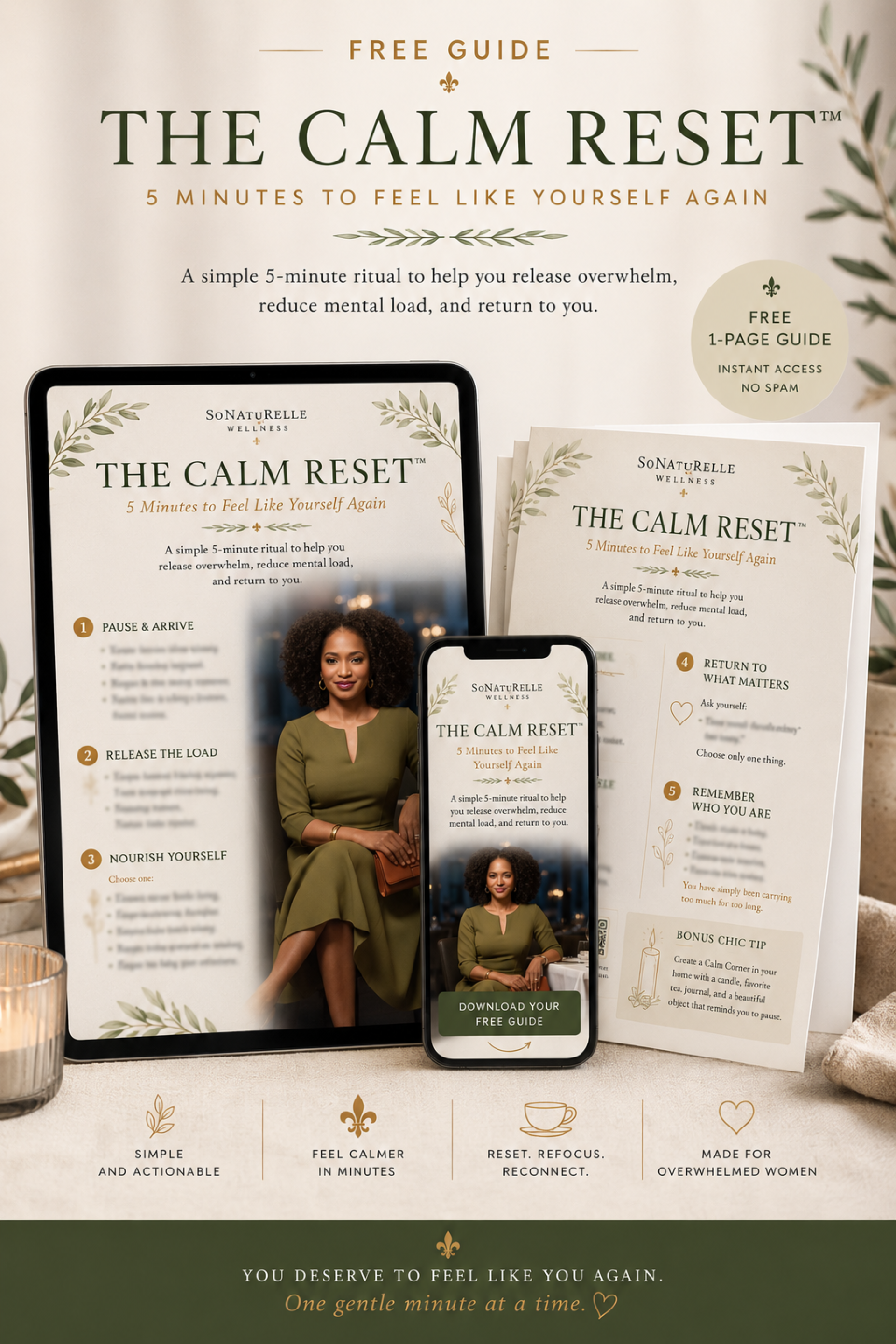
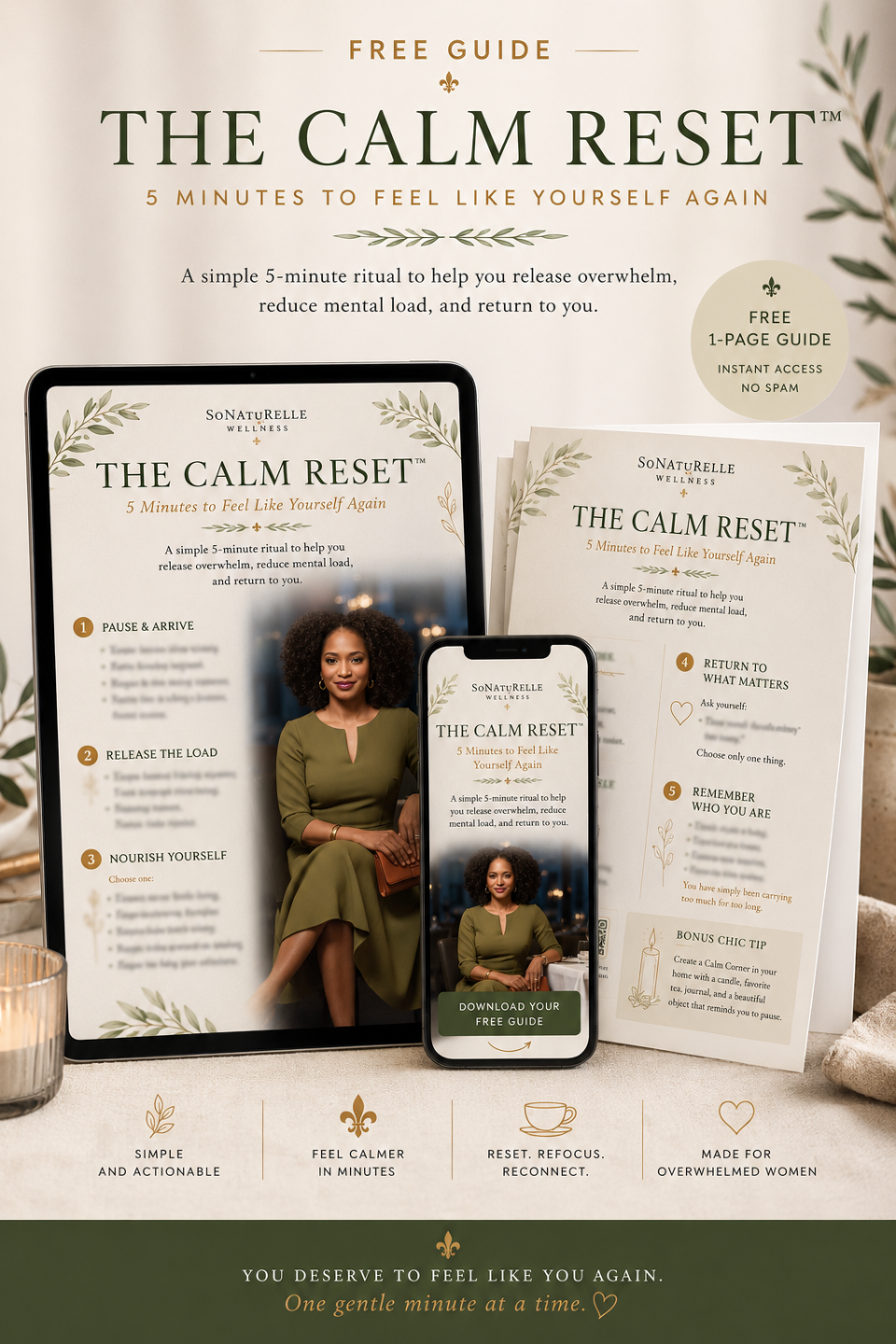
And it counts.Sometimes what you need isn’t discipline — it’s a reset. Here’s why a gentle reset works for women over 50, especially when your energy is low.
If You’re Ready for Support That Meets You Where You Are
If this resonated, you may appreciate guidance that doesn’t demand more from you—but helps you reclaim calm, clarity, and a sense of self within a full life.
Explore gentle, elegant support here: 👉 Stress Management for Busy Women
You don’t need more time.
You need permission to begin differently.Written with care for women who give so much—and are learning to come back to themselves, one quiet moment at a time.
Milan C. Perry is a Stress Management Coach specializing in elegant wellness for women over 50 navigating stress, caregiving, and reinvention.